All Courses

View all courses
  • This course is open for 50 weeks
  • 178 lesson series
  • 1 hour, 25 minutes of video

Enjoy all courses about creative and production! 
The lessons
  • Setting Up Your Camera

    This quick-start tutorial will help you set-up the basic settings of your camera.
  • Basic Shooting Techniques

    Once your camera has been set-up, you're now ready to shoot on set. This lesson guides you through the camera settings you'll use to get each shot.
  • Basic Framing Techniques

    Learn the basics of how to frame your shots for professional results.
  • Basic Audio Techniques

    This quick-start guide will help you configure your camera to record high-quality audio on set.
  • Basic Production Techniques

    Learn the basics of on-set production and get the quality footage you want on set.
  • Final Draft - Script Basics

    In this first of 6 training modules, learn the basics of script formatting and how you can use Final Draft software to begin formatting your screenplay, including scene headers, action lines, dialogue, parentheticals, dual dialogue, and transitions.
  • Final Draft - Using Templates

    In this second of 6 training modules, learn how to use existing templates to format your Final Draft script into hundreds of popular formats including sitcoms, hour-long dramas, SNL skits, multi-camera shows, Broadway musicals, and novels.
  • Final Draft - Story Organizing

    In this third of 6 training modules, learn how to throw away the old note card and use Final Draft's story organizing capabilities to organize your scenes, characters, and dialogue in an efficient way.
  • Final Draft - Distributing Your Script

    In this fourth of 6 training modules, learn how to export and distribute your script through Final Draft for both physical and electronic delivery, prepare your script for table reads, water mark, and learn about Final Draft on mobile devices.
  • Final Draft - Tips, Tricks, & Utilities

    In this fifth of 6 training modules, enhance your use of Final Draft with a number of tips and tricks.
  • Final Draft - Production

    In this last of 6 training modules, learn how to use Final Draft to manage script changes and revisions, how to lock pages, manage scene numbers, scene omissions and additions, and export reports that quickly analyze your script for production.
  • Analyzing Character

    In this module, you will learn directing techniques to help actors determine the subtext, intent, and back story of their characters. Develop your directing skills and help your actors portray honest, memorable characters.
  • Rehearsing Actors

    Learn how to structure rehearsals, how to conduct a table read, and what the responsibilities are of the director and actors during the rehearsal process.
  • Rehearsal Exercises

    Learn valuable techniques from working Hollywood directors to get to the heart of the actors’ performance, learn rehearsal techniques from developing the character to overcoming mental blocks on the set.
  • The Language of Directing Actors

    Learn from Hollywood actors and directors on how to approach and work effectively with actors on set, how to deal with problematic actors, and how to communicate in the actor’s language.
  • Acting Techniques

    Learn the various types of acting techniques - from Stanislavsky to Chekov.
  • Directing Actors on Set

    Learn what to say to an actor at the beginning of every scene – 30 seconds before you call action and 30 seconds after you call cut, learn how to rehearse on set, establish strong blocking, and how to help actors balance their performance with the technicalities of film production.
  • Directing Extras

    Learn how to find extras, the right way to direct them, how to cheat them on set, liability concerns and how to avoid them, logistics on the shooting day, and the most common problems filmmakers encounter when working with extras
  • The Art Department

    Learn the structure and hierarchy of the Art Department, the duties and responsibilities and how this department can be scaled up based on the size of the production.
  • Set Design

    Learn how to design sets on both large and small budget productions.
  • Set Construction

    Learn how movie sets are constructed to create both a convincing environment and a workable production setting.
  • Set Dressing

    Learn how to dress both practical locations and constructed movie sets to create a realistic environment for the characters.
  • Creating the Look

    Learn how the art department creates the look of the environments in which the story takes place.
  • Props

    Learn how props are created, gathered, and organized for a movie.
  • Tour a Prop House

    Take a virtual tour of Lennie Marvin's Prop Heaven in Burbank, CA
  • Location Scouting

    Learn how to scout locations and work with local resources to find the best possible environment for your movie
  • Location Tech Scouting

    Learn how to properly scout a location, what to look for and how to prep it for your shoot.
  • Crew Structures

    Learn the various types of crews and the positions usually hired for small, medium, and large productions.
  • Crew Positions

    Learn an overview of the primary positions on a movie set.
  • The Line Producer

    Learn the duties and responsibiltiies of the line producer, both on and off the set.
  • The Unit Production Manager

    Learn the duties and responsibilities of the Unit Production Manager, both on and off the screen.
  • Production Coordinator

    Learn the duties and responsibilities of the Production Coordinator both on and off the set.
  • The Director of Photography

    Learn the duties and responsibilities of the director of photography.
  • 1st Assistant Director

    Learn the job responsibilities of the 1st Assistant Director.
  • 2nd Assistant Director

    Learn about the responsibilites of the 2nd Assistant Director in pre-production and on set.
  • 2nd 2nd Assistant Director

    Learn the duties and responsibilities of the 2nd 2nd assistant director in pre-production and on set
  • Production Assistants

    Learn the duties, responsibilities, and expectations of production assistants on set.
  • Script Supervisor

    Learn the duties and responsibilities of the script supervisor, from maintaining continuity to preparing the script notes.
  • The Production Designer

    Learn about the Production Designer, his responsibility to the look of the film and her relationship with the director and cinematographer.
  • The Art Director

    Learn the function, duties and responsibilities of the Art Director.
  • Camera Operator

    Learn the duties and responsibilities of the camera operator both on and off the set.
  • 1st Assistant Camera

    Learn the duties and responsibilities of the 1st Assistant Camera.
  • 2nd Assistant Camera

    Learn the duties and responsibilities of the 2nd Assistant Camera on set
  • Key Grip

    Learn the duties and responsibilities of the Key Grip
  • Best Boy

    Learn the duties and responsibilities of the Best Boy
  • Grips

    Learn the duties and responsibilities of the Grips
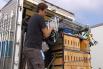
  • Working as a Grip

    Hollywood veteran Casey Slade never ceases to entertain as he takes us inside the world of the grip department.
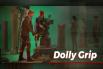
  • Dolly Grip

    Learn the duties and responsibilities of the Dolly Grip
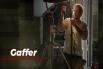
  • Gaffer

    Learn about the duties and responsibilities of the gaffer.
  • Best Boy Electric

    Learn the duties and responsibilities of the Best Boy Electric.
  • Electricians

    Learn the duties and responsibilities of the Electricians.
  • A Day On Set

    Learn what happens on a typical shooting day on a movie set.
  • Proper Set Etiquette and Behavior

    Learn the unspoken rules of how to behave on a movie set.
  • Working with Difficult Personalities

    Hollywood verteran Casey Slade has worked with everyone from A-list celebrities to new filmmakers, and shares some keen insight on how to deal with egos in the film industry.
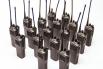
  • Walkie Talkie Etiquette

    Learn how to properly use walkie talkies on set.
  • An Overview of Cinematography

    Learn the basic components of cinematography, the cinematographer's role, and how to work with the director.
  • How a Cinematographer Preps a Project

    Learn how a cinematographer first begins a project, starting with how to read and evaluate the script.
  • Building the Camera Package

    Learn the different components of the camera, accessories, and how to choose the tight combination for your project.
  • How to Prep a Camera

    Drew Lauer, from Hollywood Special Ops, takes us through the process of prepping a camera package for a shoot.
  • How to Test a Lens

    Learn how to test your lens and what problems to look for when preparing your equipment for a shoot.
  • How to Prep the Camera for a Walkaway

    Learn how to secure the camera during lunch, breaks, or on a soft wrap.
  • Film vs. Video

    Learn the differences between shooting on film versus shooting on digital video.
  • Shooting Film

    Learn the process of shoot, buying, and processing film.
  • Imaging Sensor and ISO

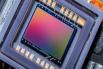
    Learn how the imaging sensor works and how to use the ISO as an exposure tool.
  • Frame Rates

    Learn about frame rates, how to choose the correct one, and the impact frame rates can have on your image.
  • Tripods and Sliders

    Learn the types of camera support equipment - from tripods to jibs - and how to properly use them.
  • Introduction to Lenses

    Learn about the attributes of the camera lens and how to choose the best lens for your production
  • Taking Care of Lenses

    Learn how to properly handle and care for a camera lens
  • Focusing Techniques

    Learn how to use focus tools - including the measuring technique, peaking, and 1:1 zoom to keep your shot in sharp focus
  • Working with a Follow Focus

    Learn how to use the follow focus - a camera accessory that lets you - or the 1st assistant camera - pull focus to the side of the camera.
  • Working with LOG - Introduction

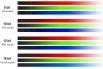
    Learn how gamma and LOG curves affect the image
  • Working with LOG - How LOG footage is Encoded

    Learn how cameras record picture data and how to optimize quality when shooting LOG
  • Working with LOG - How to Shoot LOG

    Learn how to properly expose a shot when shooting LOG
  • LUTs and How to Use Them

    Learn how to use LUTS to change the look of your image
  • The Art of Exposure

    We think of exposure as simply opening and closing the aperture, but it's really the balance of five settings, each of which alter the look of the shot.
  • F-stops and T-Stops

    Learn how f-stops and t-stops work, and how to use them as a measure of exposure.
  • The Zone System

    Learn how to use the zone system to determine the proper exposure for your shot
  • Neutral Density Filters

    Learn how to use neutral density filters to control the exposure of your shot.
  • Polarizers

    Learn how to use polarizers to enhance the look of your footage.
  • Lens Focal Length

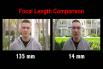
    Learn how the focal length of a lens affects the look of the shot.
  • Depth of Field

    Learn how to control the depth of field, the physics behind it, and how to use it as a creative tool to invoke emotion in a shot.
  • Macro Focus

    Learn to use macro focus when you're shooting a subject within the minimum focus of the lens.
  • Back Focus

    Learn how to properly identify if the back focus is out on a camera and how to resolve it.
  • The Camera Shutter

    Learn how the camera shutter works, its limitations, and how you can use use it to change the look of your footage.
  • Factors to Consider with Moving Shots

    Learn how to balance the artistic desire to move the camera with the time and budgetary considerations.
  • How to Mark Actors

    Learn how to set marks for an actor's blocking.
  • Managing Media

    Today's filmmakers almost always shoot on a digital format, and that makes digital media the new film negative. Learn how to properly manage your on-set media.
  • Intro to Light and Exposure

    Learn the basics of exposure, latitude, the attributes of light, and the Inverse Square Law.
  • Attributes of Light

     Learn the basic attributes of light and how to craft it to achieve the ideal cinematic look.
  • Tungsten Lighting

    Learn how to work with, operate and trouble shoot tungsten lighting fixtures.
  • HMI Lighting

    Learn about HMI light fixtures, how to operate, maintain and troubleshoot them.
  • Kino-Flo Fluorescent Lighting

    Learn the types of Kino-Flo's and how to properly use them on set.
  • LED Lighting

    Learn how to work with the newest LED lights.
  • How to Build a Light Kit

    Learn how to build a light kit.
  • Low Budget Lighting Tools

    Learn how to use simple, inexpensive lighting tool if you're on a budget or on the road.
  • Using a Light Meter

    Learn the difference between the types of light meters, how to calibrate one, and how to properly use it to get the correct exposure every time.
  • Reducing Light

    Learn the tools and techniques for reducing the brightness of light from a light source.
  • Softening Light

     Learn tools and techniques for softening or diffusing light.
  • Reflected Light

    Learn how to use and control bounced and reflected light to create the desired look on set.
  • Shaping Light

     Setting up a light is easy, but crafting it is an art.  Learn the tools and techniques for shaping light to achieve the desired look.
  • Color Temperatures

    Learn about the colors of different light sources, how they affect the format on which you're shooting, and how to properly compensate.
  • Lighting a Scene

    Learn how to assess an existing location, scene blocking and existing lighting to deterine the best way to light a set.
  • Lighting Daytime Exteriors

    Learn how to light actors outside using only sunlight, reflectors and diffusion.
  • Working with Mixed Light

    Learn how to mix and match light from different color temperatures to achieve the look you want.
  • Three Point Lighting

    Learn a range of lighting techniques when lighting people.
  • Lighting People

     Learn how to use the three-point lighting system to properly light people.
  • Key Light Techniques

    Learn advanced techniques for shaping your actor's key light
  • Advanced Lighting Techniques

    Learn advanced lighting techniques to add style and quality to your shot
  • A Director's Prep - Beginning the Project

    Learn how to begin the directing process, read the script for the first time, best prepare long before you even set foot on set, and how to breakdown the script for character and story.
  • How to Shoot a Scene

    Learn the process of how to shoot a scene: blocking, light, rehearse, tweak, and shoot.
  • How to Direct a Scene

    Learn how to direct a scene from blocking the actors to choosing the camera angles.
  • Blocking Actors

    Learn how to block the actors, what story cues to look for, how to drive the blocking emotionally, and how to work with the actors to get the best physical performance possible.
  • Basic Coverage

    Learn the basic template for shooting the action in a scene - the master, coverage, inserts and cat-in-the-window shots, learn how to vary shot size to increase coverage, break the standard, plan for the edit, and ensure you get the coverage you need.
  • Shooting the Rehearsal

    Asking the cast and crew to shoot the rehearsal may seem like a time-saver on set, but is it?
  • Storyboards and Pre-Visualization

    Learn how to work with a storyboard artist, use pre-visualization software, know how detailed storyboards should be, creative restrictions to be aware of, how to create storyboards even if you can't draw, and when to use animatics.
  • Creating a Shotlist

    Learn how to create a shot list, location requirements, how to decide your shots, the elements in a shotlist, how the shot lists are used to schedule and budget a film, and to prepare for days when you go over schedule or over budget.
  • How to Create Invisible Camera Moves

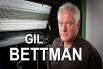
    Veteran Director Gil Bettman reveals inside-industry techniques for creating dynamic, yet invisible camera moves that engage the audience.
  • Continuity and Script Notes

    Learn how the script supervisor tracks continuity and how to create a continuity notebook.
  • The Visual Story

    Learn how to use visual elements of shape, space, line, color, rhythm, movement and tone to frame the story.
  • Composing the Shot

    Learn story-driven composition, techniques to create a compelling frame, and how working Hollywood directors approach cinematic composition.
  • Creating Depth on Screen

    Learn techniques for crafting foreground, midground, and background elements, how to manage depth or flatness as a narrative tool, techniques used in network television shows to cheat depth, and the ways the camera lens can affect depth.
  • Shot Types and Camera Movements

    Learn the intricacies of framing, the basic shot types, advanced variations on these shot types, how to quickly communicate your vision to the cinematographer, and the emotional responsive invoked by various shot types.
  • Head Room and Lead Room

    Learn compositional techniques of headroom and lead room, technical considerations, the emotional impact of framing on the shot, short siding, and establishing continuity in reverse shots.
  • Eyelines

    Learn how to choose the best eye line, directing techniques for ideal camera placement, how to overcome challenges when working with visual effects, and how to fine tune actor's eyelines within mere inches to achieve the desired emotional impact.
  • Singles and Over-the-Shoulder Shots

    Learn compositional techniques for framing actors in a dialogue scene, and how each choice affects the subtext and emotional undertone of the scene.
  • Screen Division and the Rule of Thirds

    Learn how to apply the concept of screen division and the Rule of Thirds to improve the composition of your shots
  • Screen Direction and the Rule of 180

    Learn the core fundamentals of screen direction, how to establish the line of action, the rule of 180, exceptions to the rule of 180, instances where the line of action doesn't apply, how to shoot multiple character with an ever-moving line of action.
  • The Technical Frame

    Identify and work with different aspect ratios, manage conversions, safe framing requirements, and how various aspect ratios are adjusted for different exhibition and broadcast formats.
  • C-Stands

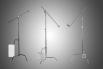
    Learn how to use one of the most often-used stands on set - the C-stand.
  • Clamps

    Learn about the different types of clamps used to rig light fixtures and grip equipment on set.
  • Dolly and Track

    Learn how to properly set-up a doorway dolly and track.
  • Grip Support

    Learn how to properly use apple boxes, sand bags, furnipads, and taco carts on set.
  • Grip's Tools

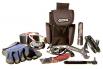
    Learn the essential tools every grip needs when working on set.
  • Rigging

    Learn the most common rigging tools used by grips on set.
  • Butterflies and Overheads

    Learn to safely set-up and use overheads up to 20' x 20', including frames, corners, ears, and materials, plus safety procedures.
  • Grip Rigs

    Learn how to build a goal post and menace arm safely and effectively.
  • Knots for On Set Rigging

    Learn the most common types of knots used to secure grip rigs on set, and how to tie them.
  • Roller Stands

    Learn about roller stands, how and when to use them.
  • Stands

    Learn the most commonly-used stands used on location to support lights and overheads.
  • Green Screen Techniques

    Learn how to properly light and expose green screen shots.
  • Using a Clapboard

    Learn how to properly use one of the most iconic tools in the film industry.
  • Using a Monitor

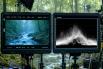
    Production monitors are used on practically every set.  In this module you will learn how to properly calibrate a production monitor to ensure that the image you see on screen is what is actually being recorded.
  • The Physics of Sound

    Learn how the sound wave works, why we hear sound, how frequency and amplitude affect the sound and our approach to recording it.
  • How Microphones Work

    Learn how microphones function, their classifications, output configurations and how to choose the best microphone for the job
  • Microphone Pick-Up Patterns

    Learn the different types of pick-up patterns, how they capture sound, and which to choose when recording audio.
  • Audio Pre-Production

    Learn how to prepare for a shoot by breaking down the script, determining the best equipment to use and how to address complex scenes.
  • Lavalier Microphones

    Learn how to properly set-up and use lavalier microphones on actors and on set
  • The Microphone Boom

    Learn about the types and uses of boom poles, windscreens, shock mounts and techniques for monitoring audio
  • Boom Operating Techniques

    Learn techniques for the proper placement and operation of the boom mic on set
  • Recording the Audio

    Learn the difference between analog and digital recording, how audio is encoded and recorded, setting levels, managing peaks, working with compressors and limiters, and how to record the perfect audio.
  • Audio Configurations

    Learn the various ways to record the audio signal on set.
  • Cables and Adapters

    Learn to use and care for cables and adapters when recording audio on set.
  • Introduction to Editing

    Learn the basics of editing, when to start, and how to best prepare for the edit long before the cameras even start to roll.
  • Working with an Editor

    Learn techniques for communicating your vision to the editor, the editor’s workflow, and what you can do to get the best results possible in the editing room.
  • The Psychology of Editing

    Learn when to cut, how to determine whether you should cut or not, the hierarchy of story-telling importance when editing, what to show or not show, and how to use psychology to craft a scene the invokes powerful emotions.
  • Data Management and Workflow

    Learn how to develop a system for organizing the footage from set to post, how to develop a workflow that keeps the process smooth and conflict-free, how to conduct post-production meetings, the role of the post-production supervisor, standard techniques for labeling and managing footage, and data handling techniques.
  • The Assembly Cut

    Learn how to approach the assembly cut, how to manage music and sound effects, what should or shouldn’t be included, and how to address issues of pacing, story, and character development.
  • Stock Footage

    Learn how to use stock footage, how to understand a licensing agreement, where to find stock footage, how to manage the technical requirements, and what your rights are when distributing your production.
  • How to Shoot and Edit a Dialogue Scene

    Learn to shoot dialogue on set, advanced techniques for manipulating the pacing and emotional intensity of the scene, how to work with changing background ambience, and techniques to improve actors' performance.
  • How to Shoot and Edit Action

    Learn how to edit action for proper flow, continuity, and pacing, techniques for compressing time, revealing only the essentials to keep the story moving forward and advanced editing techniques.
  • The Rough Cut

    Learn how to approach the rough cut, determine what moments work, how to re-structure the story, and ultimately create a movie that stands on its own- divorced from the script.
  • Test Screenings and Feedback

    Learn how to prepare for and conduct a test screening, how to choose the right test audience, what questions to ask after the test screening, and how to filter the responses into usable comments that can improve the story.
  • The Fine Cut

    Learn techniques for perfecting every single frame of your movie before locking the picture edit, how you will know when the movie is done, the implications of locking the picture, and the process of prepping the film for audio.
  • Offline/Online Editing

    Learn how and when to work in an offline environment, how to transition to an online cut, and techniques for ensuring the process goes smoothly.
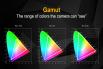
  • Color Grading

    Learn the color grading process, how it differs amongst formats, the balance between technical and artistic grading, how to protect yourself from the “fix-it-in-post” mentality, and how to get the look you want.
  • Understanding Compression

    Learn the fundamental principles of compression and how it affects the look and size of the footage.
  • Intro to Audio Post-Production

    Learn the five components of audio and go to the sound studio to experience the construction of the audio for a scene.  Learn the ADR process, the contributions of Foley to the mix, the role of sounds effects and ambience, and the music.
  • ADR

    Learn the technical process of re-recording the dialogue of a scene during the ADR process.
  • Directing Actors in ADR

    Learn how to work with actors to get the best vocal performance possible during the ADR process, address acting problems and actor fatigue, and gain valuable tips on how to direct a natural and realistic performance so the ADR performance becomes better than the original delivery on set.
  • Foley

    Learn how Foley is recorded and mixed to create and full, rich audio track. Learn the types of Foley, how much should be recorded, the process of recording Foley, and how to properly schedule and budget this creatively demanding aspect of audio post-production.
  • Sound Effects

    Learn the process of creating a compelling sound effects track for your movie, where to find high quality sound effects, how sounds effects and Foley work together, how to find a balance with the dialogue and music, and the role of the sound effects editor.
  • Mixing the Audio

    Learn how all the final components of the audio are mixed together.
  • Scoring a Scene

    Learn how composer Chris First approached the scoring of a scene
  • Film Marketing

    Learn how the massive marketing machine works in hollywood and how you can use it to promote your movie.
  • Reaching Your Audience

    Learn how to effectively determine, define, and market to your audience.
  • Designing the Key Art

    Learn how to design an effective movie poster that will reel your fans in, help you raise awareness in your film, and get a distribution deal.
  • Working with the Media

    Learn how to conduct yourself during television, print, and radio/podcast interviews to get the maximum exposure for your project.